How Long Does Interior Paint Last in a Georgia Home?
· By Fernando Maciel
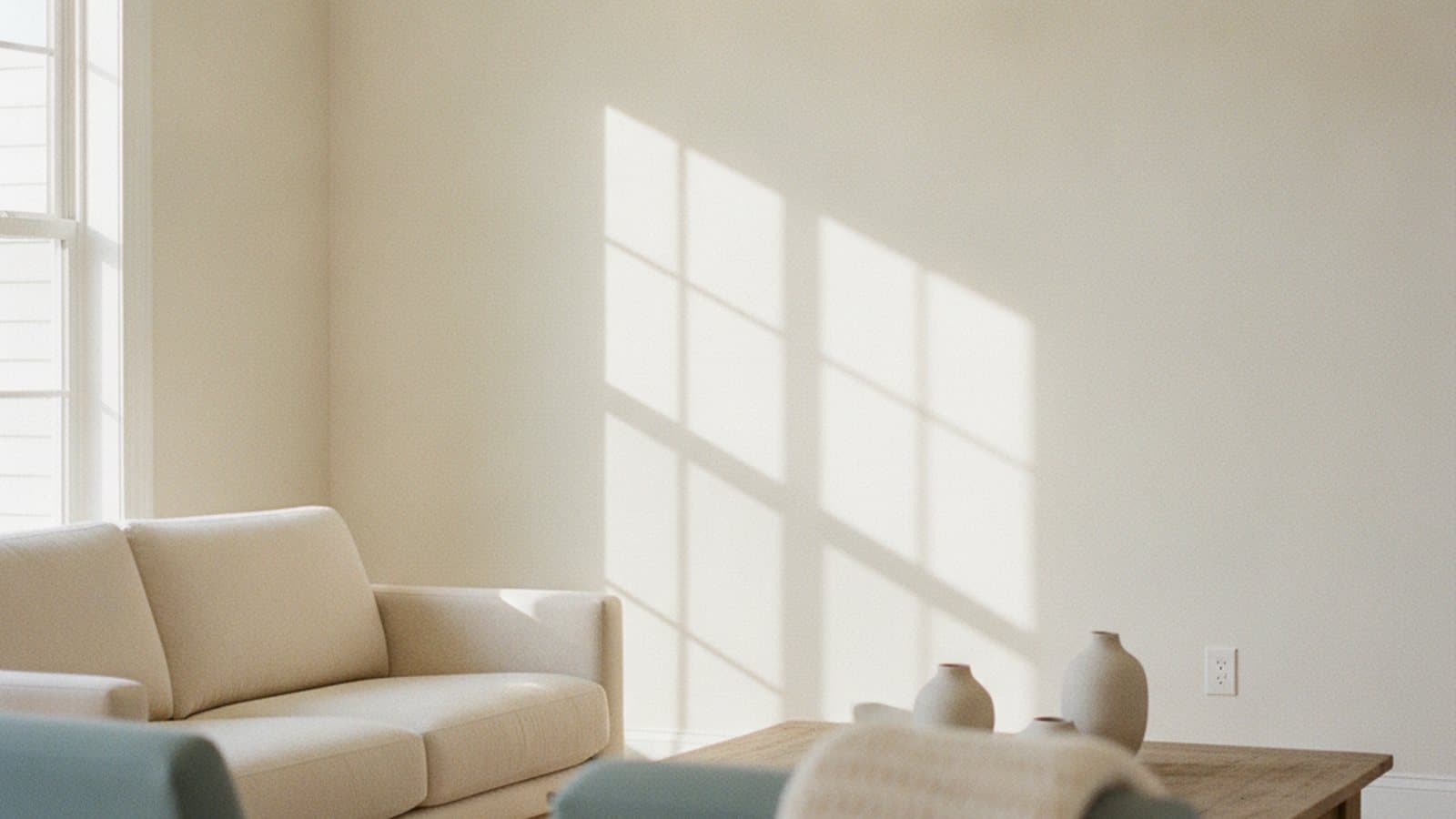
A good interior paint job should look fresh for years, not seasons. But how long it actually holds up depends on the room, the surface, the quality of the coating, and how the walls were prepped before painting. Those factors matter more than any single number you will read online.
Below is a realistic look at how long interior paint tends to last in Marietta and greater Atlanta homes, which rooms wear out first, and the signs that tell you a room is ready for a fresh coat.
The general timeline for interior paint
As a rough guide, interior walls in most homes look good for somewhere around seven to ten years, while ceilings can go even longer since nothing touches them. That range shifts a lot by room, though. High-traffic areas like hallways, kids rooms, and stairwells take scuffs and handprints far sooner than a formal dining room that barely gets used.
Trim, doors, and baseboards are their own story. They get bumped, cleaned, and touched constantly, so they often show wear before the walls do. The quality of the last paint job matters too: a properly prepped wall with two solid coats holds up years longer than a single thin coat rolled over dirty or glossy surfaces.
What makes interior paint wear out faster
Kitchens and bathrooms are the hardest on paint indoors. Grease, steam, and frequent cleaning break down the finish, which is why those rooms are usually the first to look tired. Using the right coating for those spaces, one built to handle moisture and scrubbing, makes a real difference in how long it lasts.
Sunlight plays a part inside too. Rooms with big south or west-facing windows get strong afternoon light that can gradually fade deep or bright colors on the walls facing the glass. Homes with kids and pets simply see more scuffs, marks, and the occasional crayon, so those walls get repainted on a shorter cycle.
Prep is the quiet factor behind all of it. Paint that goes on over a clean, patched, and primed surface bonds better and stays looking even. Skipping that prep is the most common reason a fresh coat starts peeling, cracking, or showing flaws well before its time.
Signs a room is ready for a fresh coat
Your walls usually tell you before the calendar does. Watch for scuffs and marks that no longer wipe clean, a color that looks dull or uneven next to a spot you have touched up, and hairline cracks opening along corners or above doorways as the house settles.
Peeling or bubbling in a bathroom, yellowing on a kitchen wall or ceiling, and trim that has chipped down to bare wood are all signs it is time. If a room is starting to feel dingy no matter how much you clean it, a repaint is usually what it needs.
How to make interior paint last longer
The biggest lever is prep and product. Cleaning the surface, patching cracks and holes, sanding glossy spots, and priming repairs give the new coat something stable to grip, and a quality paint rated for the room does the rest. In kitchens and baths especially, the right washable finish pays off for years.
Small habits help too. Keeping a labeled touch-up jar from the original job lets you knock out scuffs before they spread, and gentle cleaning instead of harsh scrubbing protects the finish. When it is finally time, repainting the whole room rather than spot-fixing gives the most even, lasting result.
Frequently asked questions
- How long does interior paint last in a Georgia home?
- Interior walls in most homes look good for roughly seven to ten years, and ceilings often longer. High-traffic rooms, kitchens, and bathrooms wear faster, so they usually need a fresh coat sooner than bedrooms or formal rooms.
- Which rooms need repainting most often?
- Kitchens, bathrooms, hallways, and kids rooms take the most wear from cleaning, moisture, and daily traffic, so they tend to need repainting first. Trim, doors, and baseboards also show wear early because they get bumped and cleaned so often.
- Can I just touch up instead of repainting the whole room?
- Touch-ups work well for isolated scuffs if you kept paint from the original job. Once marks stop wiping clean or the color looks uneven across a wall, repainting the full room gives a more even, longer-lasting result than spot-fixing.
- How do I know my walls are due for a fresh coat?
- Look for scuffs that no longer clean up, dull or uneven color, hairline cracks at corners and above doors, and chipped trim. If several of those show up together, or a room just feels dingy no matter how you clean it, it is time to repaint.
Related services
Serving
Ready for an exact price?
Get a free, no-pressure in-home estimate. Real numbers for your home, not a phone guess.