
Interior Paint Finishes Explained: Matte, Eggshell, Satin, Semi-Gloss, and Gloss
· By Fernando Maciel
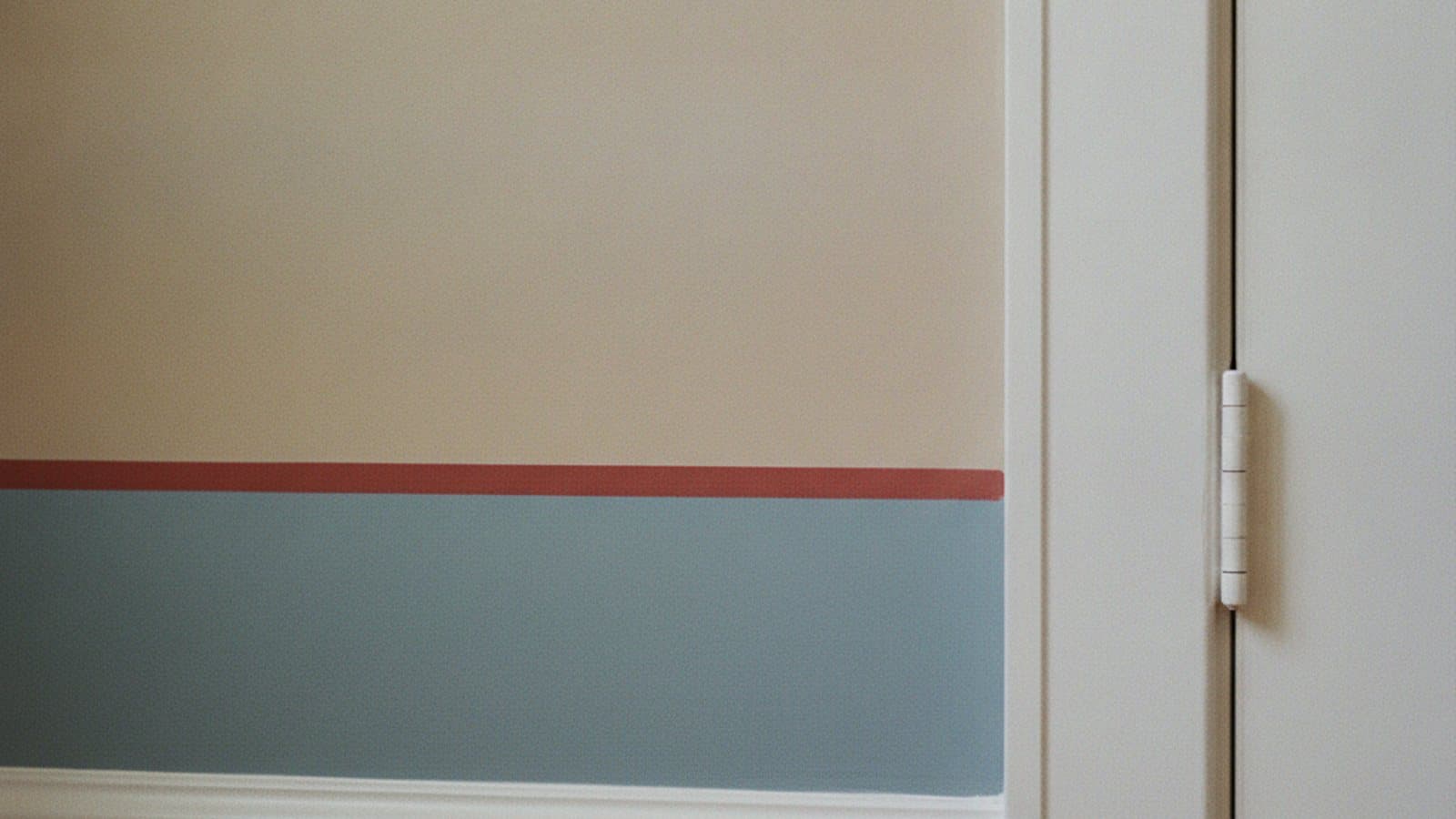
Picking a paint color gets all the attention, but the finish you put it in matters just as much. The same exact color in a flat sheen versus a semi-gloss will look different, clean differently, and last a different length of time. Choose the wrong finish and a beautiful color can end up scuffed, streaky, or impossible to wipe down.
This guide breaks down the five common interior paint finishes, flat or matte, eggshell, satin, semi-gloss, and gloss, in plain English. You will see what each one is best for, how durable and washable it is, whether it hides or shows wall flaws, how it holds up in Georgia humidity, and a simple room-by-room recommendation for a home in the Marietta area.
What paint sheen actually means
Sheen is simply how much light a dried paint finish reflects. It runs on a scale from flat, which reflects almost no light and looks soft and velvety, up through eggshell and satin in the middle, to semi-gloss and full gloss, which bounce back a lot of light and look shiny. That single property drives almost everything that matters about how a finish behaves.
The rule of thumb is that shine and toughness go together. The glossier a paint is, the harder and more washable the dried film tends to be, which is why kitchens and trim usually get a shinier finish. The flatter a paint is, the better it hides imperfections but the harder it is to scrub, which is why quiet ceilings and formal rooms lean flat.
Every finish is a trade-off between two things homeowners care about: how forgiving it is of wall flaws and how easy it is to clean. There is no single best sheen for a whole house. The right answer changes room by room, based on how much traffic, moisture, and cleaning each space actually sees.
Flat and matte: softest look, hides the most
Flat and matte finishes reflect the least light, so they read as soft, smooth, and rich. Their biggest strength is that they hide flaws better than anything else. Small dents, patched drywall, roller marks, and uneven texture largely disappear under a flat finish, which is why they are the go-to for ceilings and for walls in older homes that have seen a few repairs.
The trade-off is durability. Traditional flat paint is the hardest finish to clean, and scrubbing a mark too hard can leave a burnished shiny spot or lift the color. That makes basic flat a poor choice for hallways, kids rooms, and anywhere little hands and shoes make contact. Modern matte wall paints have improved a lot on washability, but as a category flat is still the least scrubbable.
Flat is at its best on ceilings, in formal living and dining rooms, and in low-traffic adult bedrooms, spaces where the smooth look matters and the walls rarely get touched. If you love a matte wall in a busier room, the move is to choose a quality washable matte rather than a bargain flat, so you keep the soft look without giving up all of the cleanability.
Eggshell and satin: the everyday middle ground
Eggshell and satin sit in the middle of the scale and do the heavy lifting in most homes. Eggshell has a subtle, low-luster glow, roughly like the surface of an egg, while satin is a touch shinier with a soft pearl-like sheen. Both balance a pleasant look with real-world cleanability, which is exactly what most living spaces need.
Eggshell is a favorite for living rooms, dining rooms, and bedrooms because it still hides minor wall imperfections fairly well while letting you wipe off the occasional mark. Satin steps up the durability and washability, so it suits higher-traffic areas like hallways, family rooms, kids rooms, and mudrooms, where walls get bumped and need regular cleaning. Satin does show flaws a little more than eggshell, so the wall prep underneath needs to be solid.
For a lot of Marietta homes, eggshell on the main-room walls and satin in the busy zones covers most of the house well. If you want to simplify, satin is the safer single choice for active households because it cleans up more easily, as long as the walls are prepped smooth enough that the slightly higher sheen does not highlight every ripple.
Semi-gloss and gloss: toughest and most washable
Semi-gloss and gloss are the hardest, most durable, and most scrubbable finishes. They shrug off moisture, grease, and repeated cleaning, which is why they are the standard for trim, doors, cabinets, and the walls of kitchens and bathrooms. When a surface gets touched, splashed, or wiped constantly, this is the family of finishes that holds up.
The catch is that shine reveals everything. Semi-gloss and especially high gloss magnify every dent, ridge, brush mark, and patch on the surface, so they demand careful prep and a smooth substrate. That is fine on trim and doors, which are usually smooth to begin with, but it is why full gloss is rarely used on large wall areas, where any imperfection would jump out under the light.
In practice, semi-gloss is the workhorse here: trim, doors, baseboards, and cabinets, plus kitchen and bathroom walls that need to stand up to moisture and cleaning. Full gloss is more of a specialty choice for a dramatic front door, a statement built-in, or accent millwork, used sparingly because it is so unforgiving of flaws.
How each finish hides or shows wall flaws
This single factor surprises the most homeowners. The flatter the finish, the more it hides, and the glossier the finish, the more it reveals. A flat ceiling can disguise a patched crack that would be obvious in semi-gloss, while a high-gloss wall turns every minor ripple into a visible shadow when the light hits it.
That is why finish choice and wall prep go hand in hand. If your walls have texture, older repairs, or minor waviness, a flatter finish is your friend because it softens all of it. If you want a satin or semi-gloss wall, the surface underneath has to be patched, sanded, and smoothed first, or the sheen will advertise every flaw you were hoping to hide.
It also explains why ceilings almost always get a flat finish. Ceilings catch raking light from windows and fixtures that would expose any imperfection under a shinier paint, and nobody scrubs a ceiling, so there is no reason to trade away the flaw-hiding benefit. Matching the sheen to both the condition of the surface and how the light falls on it is what separates a smooth-looking result from a blotchy one.
Moisture, kitchens, and baths in Georgia humidity
Georgia summers are warm and humid, and that moisture is hard on interior finishes, especially in kitchens, bathrooms, and laundry rooms where steam and dampness collect. In those rooms the finish is not just a look, it is protection. A flatter, more porous paint can hold moisture and give mildew a foothold, while a slicker finish sheds water and wipes clean.
That is why bathrooms and kitchens are the classic case for a shinier, moisture-tolerant finish. Satin is a reasonable minimum for a bathroom wall, and many homeowners step up to semi-gloss on bathroom and kitchen walls precisely because it resists steam, splatter, and frequent scrubbing. The same logic applies to laundry rooms and any space that stays damp.
Prep and ventilation matter alongside the sheen. Any existing peeling or bubbling in a bathroom is usually a moisture signal that has to be addressed before repainting, and running exhaust fans keeps steam from settling on the finish. The right washable finish plus good prep and airflow is what keeps a Georgia kitchen or bath from going dingy or growing mildew a season after it is painted.
Trim, doors, and ceilings versus walls
One of the most useful ideas in finish selection is that different surfaces in the same room usually get different sheens. Walls, trim, and ceilings each do a different job, take different wear, and catch light differently, so pairing them thoughtfully is what makes a room look finished rather than flat and uniform.
Trim, doors, and baseboards are the classic home for semi-gloss. They get touched, bumped, and cleaned the most, and the slight shine gives crisp definition against the walls while standing up to fingerprints and scuffs. A durable finish here means door casings and baseboards can be wiped down for years without wearing through.
Ceilings, at the other end, almost always get flat to hide imperfections and avoid glare, while walls land in the middle with eggshell or satin depending on the room. That common combination, flat ceiling, eggshell or satin walls, and semi-gloss trim and doors, is a reliable default that works in the majority of rooms and gives each surface the finish best suited to its job.
A simple room-by-room recommendation
Here is a practical starting point for a typical home. Ceilings: flat, to hide flaws and kill glare. Formal living and dining rooms and low-traffic adult bedrooms: flat or eggshell, where the soft look shines and walls rarely get touched. These quieter rooms are where you can lean flatter without paying for it in cleanability.
Family rooms, hallways, stairwells, kids rooms, and mudrooms: satin, for the extra durability and easy cleanup those busy spaces demand. Kitchens and bathrooms: satin at a minimum, and often semi-gloss on the walls, for moisture resistance and scrubbability in Georgia humidity. Trim, doors, baseboards, and cabinets throughout the home: semi-gloss, for toughness and crisp definition.
Treat this as a strong default, not a rigid rule. The right finish still depends on your walls, how a room is used, and the look you want, and a quality washable matte or a step up to semi-gloss can shift the plan. When in doubt, a painter who knows the local homes can match the finish to each room during a walkthrough, so the sheen is right the first time. Maciel Painting serves Marietta, Kennesaw, and the surrounding Atlanta area for interior painting, cabinet refinishing, and drywall repair.
Frequently asked questions
- What is the best paint finish for interior walls?
- For most walls, eggshell or satin is the sweet spot. Eggshell suits living rooms, dining rooms, and bedrooms where you want a soft look with some cleanability, while satin fits higher-traffic areas like hallways, family rooms, and kids rooms because it wipes down more easily. Ceilings get flat, and trim gets semi-gloss.
- Which paint finish hides wall imperfections best?
- Flat and matte finishes hide flaws best because they reflect the least light, so dents, patches, and uneven texture largely disappear. The glossier a finish gets, the more it reveals, which is why semi-gloss and gloss need a smooth, well-prepped surface underneath.
- What finish should I use in a bathroom or kitchen?
- Use a moisture-tolerant, washable finish. Satin is a reasonable minimum, and many homeowners choose semi-gloss on kitchen and bathroom walls because it resists steam, splatter, and frequent cleaning, which matters in Georgia humidity. Address any peeling or bubbling first, since that is usually a moisture signal.
- What finish is best for trim and doors?
- Semi-gloss is the standard for trim, doors, and baseboards. It stands up to the touching, bumping, and cleaning those surfaces take, and the slight shine gives crisp definition against the walls. Because it is smooth to begin with, trim shows sheen well without highlighting flaws.
- Can I use the same finish throughout the whole house?
- You can, but you usually should not. Different surfaces and rooms take different wear, moisture, and cleaning, so matching the finish to each space gives a better-looking, longer-lasting result. A common reliable default is flat ceilings, eggshell or satin walls, and semi-gloss trim and doors.
Related services
Serving
Ready for an exact price?
Get a free, no-pressure in-home estimate. Real numbers for your home, not a phone guess.