
What to Expect When Professional Painters Work in Your Home, Step by Step
· By Fernando Maciel
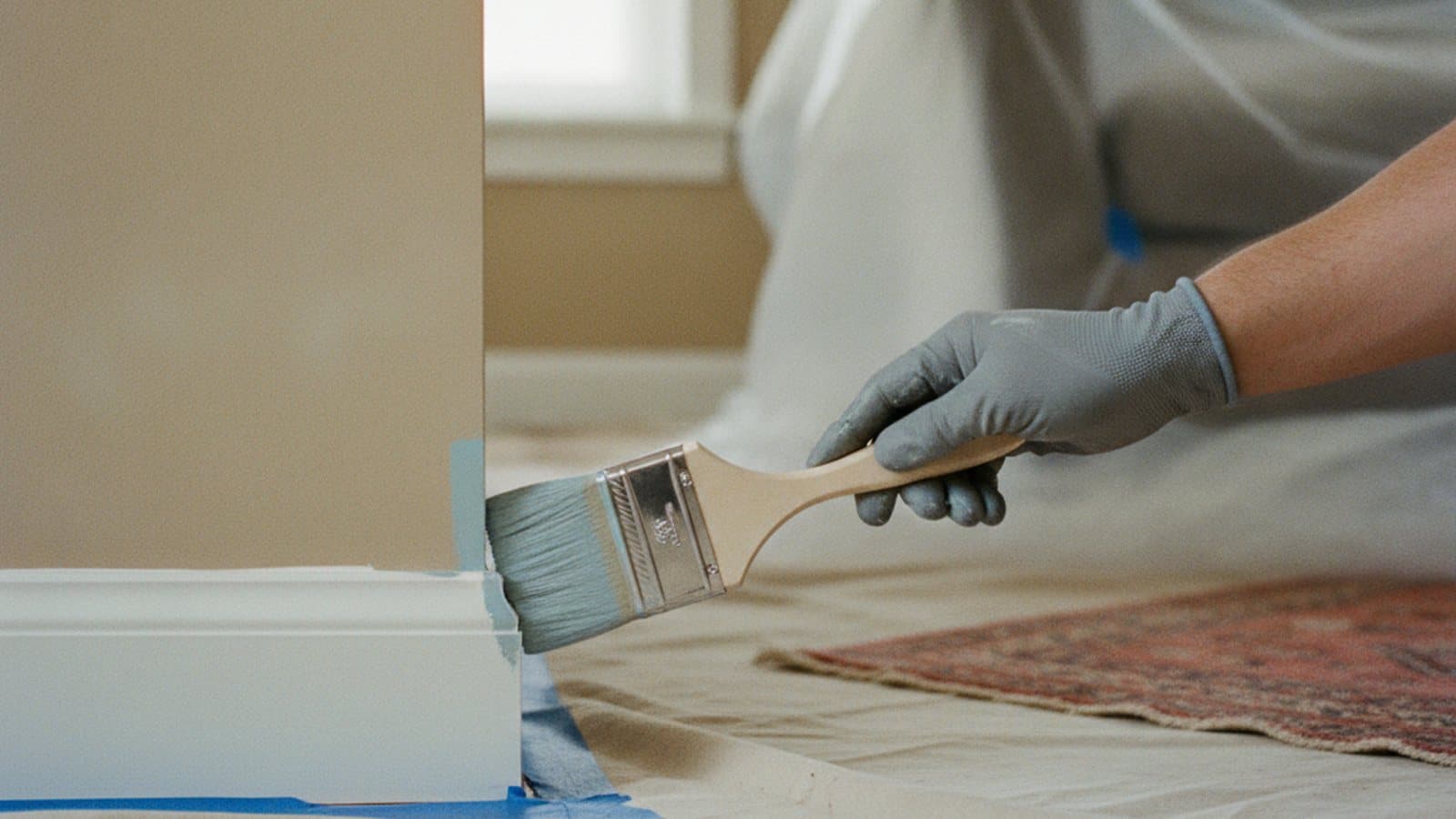
Letting a crew into your home for a few days is a big ask, and if you have never hired painters before, not knowing what happens next is the part that makes people nervous. Who moves the furniture? Will the floors be safe? How much of your day gets taken over? The good news is that a professional interior paint job follows a clear, predictable rhythm, and once you know the steps, the whole thing feels a lot less like a leap of faith.
This guide walks you through exactly what to expect when professional painters work in your home, from the first estimate all the way to the final walkthrough and warranty. We serve Marietta and the surrounding Atlanta area, and we wrote this so you can picture the process before you ever book, and know what a job done right actually looks like day to day.
The estimate and walkthrough
It starts with a visit, not a number over the phone. A painter walks the rooms with you, measures the space, checks the condition of the walls and trim, and asks how you use each room. This is the point to bring up everything on your mind: the cracks over the doorway, the color you have been eyeing, whether the kids room needs a finish you can actually scrub. A firm price quoted before anyone has seen the space is a warning sign, because square footage, wall condition, and prep needs are the whole story and none of them can be judged sight unseen.
The walkthrough is also where a good painter listens more than they pitch. Expect questions about which rooms matter most, whether you are living in the home during the work, and any concerns about pets, kids, or work-from-home schedules. Those answers shape how the job gets sequenced, so the more you share up front, the smoother the week goes.
From that visit you get a written estimate, not a verbal handshake. It should name the products and finishes being used and lay out the scope room by room, so there are no surprises when the crew arrives.
The itemized quote and scheduling
A trustworthy quote is itemized. It separates prep, primer, paint, and labor, and it spells out the specific product and sheen for each surface rather than just saying paint. That detail matters because it lets you see exactly what you are paying for, compare fairly, and decide what to tackle now versus what can wait to a later phase. If something on the quote is unclear, ask before you sign, and a good painter will happily walk you through every line.
On price, treat any number you see online as a ballpark. Interior work in the Marietta area moves with the size of the job, the wall condition, and the finishes you choose, so most homeowners land in a range rather than a single figure, and the itemized estimate is what turns that range into a real number for your home.
Once you approve the quote, you get a start date and a realistic sense of how many days the work will take. Good scheduling is honest about timing: dry and cure times between coats set the pace, and a crew that promises to rush a multi-day job into an afternoon is usually cutting the prep or the coats. Expect a confirmed start day, an estimated finish, and a heads-up if weather or supply timing shifts anything.
The first day: protecting your home before any paint
The first thing a professional crew does is not paint, it is protect. Before a single drop of color goes on, floors get covered, furniture is moved to the center of the room or out of it and draped, and anything that stays gets sheeted in plastic. Fixtures, outlets, switch plates, and hardware are removed or masked, and clean lines are taped along trim, ceilings, and edges. This setup is quiet, unglamorous, and it is exactly what separates a tidy job from a messy one.
You should not have to empty the whole house before the crew arrives. A good painter handles moving and covering the large furniture as part of the job, though it helps to clear small breakables, valuables, and anything off the walls you want kept safe. If there are items you would rather move yourself, say so during the walkthrough so it is planned for.
By the end of setup, the room should look buttoned up: floors protected corner to corner, edges masked, and a clear path in and out. That protection stays in place through the whole job and only comes up at the end, so your home is shielded every day the crew is there, not just when the rollers come out.
The daily rhythm: prep, prime, coats, and cleanup
Each day follows the same dependable arc. Prep comes first: filling nail holes, patching cracks, sanding rough or glossy spots, caulking gaps, and wiping surfaces clean so the paint has a stable base to grip. This is the least visible part of the job and the most important, because a beautiful coat over poor prep peels and flashes early no matter how good the paint is.
Then comes primer where it is needed, on repairs, bare spots, and big color changes, followed by the finish coats. Most durable results come from two solid coats with proper dry time in between, which is why a room is rarely started and finished within a single hour. The crew works surface by surface, letting each step cure before the next goes on rather than rushing to look done.
Cleanup is part of every day, not just the last one. A professional crew tidies as they go: tools cleaned, trash bagged, the space left walkable at the end of each day so you are never living in a chaotic job site overnight. That daily reset is one of the clearest signs you hired the right crew.
One point of contact: the owner, not a call center
With a small, owner-run painting business, the person who gave you the estimate is the person you can actually reach during the job. There is no call center, no ticket number, and no game of telephone between a salesperson and a crew that never spoke to you. If a question comes up mid-job, about a color that reads differently on the wall than on the chip, or a spot you want double-checked, you talk to the owner directly.
That direct line matters more than it sounds. Painting decisions come up in real time, and being able to point at a wall and get a straight answer, same day, is what keeps a job on track. It also means accountability sits with one person from the first handshake to the final walkthrough, so nothing falls through the cracks between departments.
Expect clear communication about when the crew arrives each day, how long they will be there, and what is happening in each room. If plans shift, a good owner tells you before it becomes a surprise, not after.
Respecting an occupied home: room by room, tidy, and mindful of pets and kids
Most interior jobs happen while you are still living in the home, and a professional crew plans around that. Work moves room by room so the whole house is never torn up at once, which means you keep the use of the spaces the crew is not in. A good painter will sequence the job so your kitchen, a bathroom, or a place to work stays available while the rest gets done.
Pets and kids are part of the plan, not an afterthought. Doors get closed and gates stay respected so a curious dog or toddler does not wander into wet paint or an open can, and the crew keeps tools, ladders, and materials out of reach and out of walkways. If you have a nervous pet or a nap schedule, mention it up front so the crew can work around it.
Respect also shows up in the small stuff: wiping their feet, keeping music and noise reasonable, not treating your home like a construction zone, and leaving the bathroom they use the way they found it. You should feel comfortable, not like a guest in your own house, the entire time the crew is there.
Touch-ups and the final walkthrough
When the painting is done, the crew removes the masking, reinstalls fixtures and hardware, and does a careful cleanup: floors uncovered, furniture moved back, and the space put right so it looks better than they found it, not just freshly painted. A professional job ends with the room genuinely usable again, not with you inheriting a pile of cleanup.
Then comes the part that matters most for your peace of mind: the final walkthrough. You and the painter go room by room together, in good light, looking at the lines, the coverage, the trim, and the corners. This is your moment to point out anything that catches your eye, a thin spot, a missed edge, a bit of tape residue, and have it addressed on the spot. A crew that stands behind its work welcomes this, because touch-ups are a normal part of finishing, not a favor.
Do not sign off until you have actually looked. Walk it in daylight if you can, open the blinds, and check the spots that are easy to miss, above doorways, inside closets, along baseboards. A good painter wants you to catch these things now, while they are still there to make them right.
Dry versus cure, payment, and warranty
It helps to know the difference between dry and cure. Paint is dry to the touch within a few hours and usually safe to be around the same day, but it keeps hardening for days to a few weeks as it fully cures. During that window, treat the surfaces gently: avoid scrubbing walls, hang art back up carefully, and go easy on freshly painted trim and doors so nothing dents or sticks. Your painter should tell you the specific timing for the product they used and when it is safe to clean or lean things against the wall.
On payment, expect a clear, written agreement rather than cash on a handshake. Many painters take a deposit to book the work and the balance on completion, after the final walkthrough, once you are satisfied with the result. Terms vary, so the key is that they are spelled out in the estimate or contract up front, with no vague or shifting numbers along the way.
A painter who stands behind their work should offer a workmanship warranty in writing, covering issues like peeling or premature failure tied to the application. Ask what it covers and how long it lasts, and get it in the contract rather than as a verbal promise. A clear warranty is a sign the crew is confident in its prep and its coats, and it gives you a straightforward path if something needs attention down the road.
Frequently asked questions
- Do I need to move all my furniture before painters arrive?
- No. A professional crew moves and covers the large furniture as part of the job. It helps to clear small breakables, valuables, and anything off the walls you want kept safe, but you should not have to empty the house. If you would rather move certain items yourself, mention it during the walkthrough so it is planned for.
- Can I stay in my home while the painting is done?
- Yes, most interior jobs happen while you are living in the home. The crew works room by room so the whole house is never torn up at once, and a good painter sequences the work so you keep the use of spaces they are not in. Let them know about pets, kids, or a work-from-home schedule so they can plan around it.
- What is the difference between paint being dry and fully cured?
- Paint is usually dry to the touch within a few hours, but it keeps hardening for days to a few weeks as it fully cures. During that window, go easy on the surfaces: avoid scrubbing walls and be gentle with freshly painted trim and doors. Your painter should tell you the specific timing for the product used.
- Who do I talk to if I have a question during the job?
- With a small, owner-run painting business, you talk to the owner directly, not a call center or a ticket system. The person who gave you the estimate is the one you can reach during the work, so questions about color, coverage, or a spot you want checked get a straight answer the same day.
- How does payment usually work, and is there a warranty?
- Expect a clear written agreement. Many painters take a deposit to book the work and the balance on completion, after the final walkthrough, once you are satisfied. A painter who stands behind their work should also offer a written workmanship warranty covering issues like peeling tied to the application, so ask what it covers and get it in the contract.
Related services
Serving
Ready for an exact price?
Get a free, no-pressure in-home estimate. Real numbers for your home, not a phone guess.